
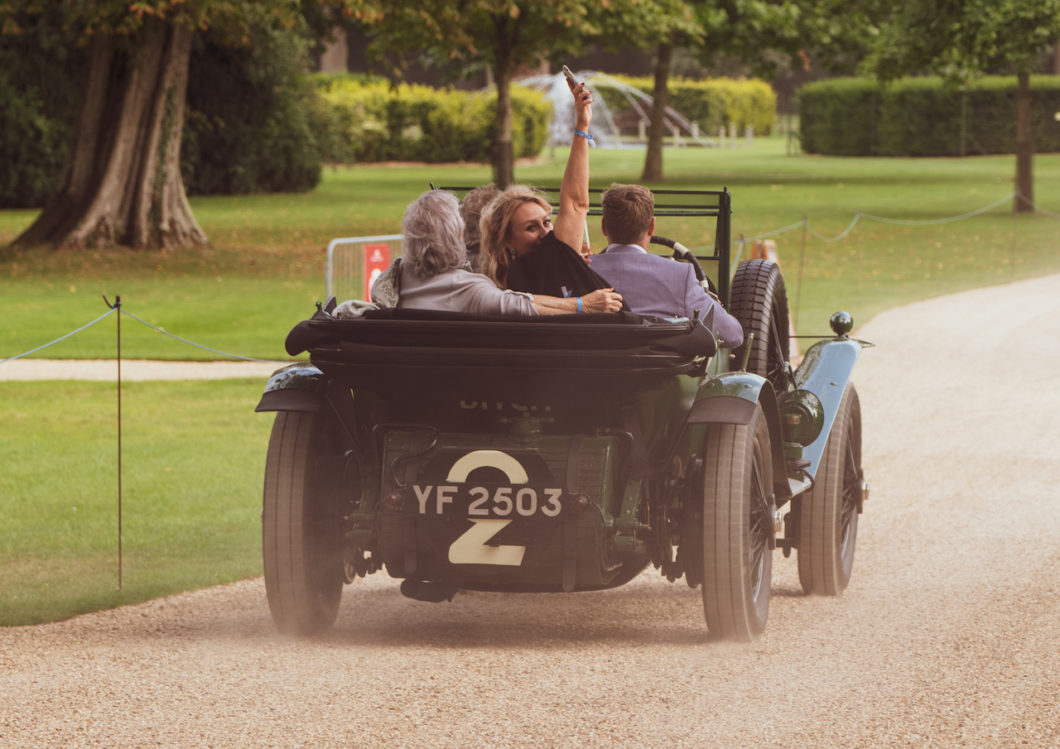
Modern cars, for all their polish and tech, just can’t quite capture a certain magic. Think about it: that distinct smell of old leather and petrol, the mechanical click of a door handle, the analogue dashboard that feels like it has a story to tell. Driving a restored classic isn’t just about getting somewhere; it’s about soaking in the journey itself, connecting with the road and the machine in a way that’s become pretty rare.
Why Classic Cars Endure
In a world of constant tech upgrades and throwaway items, classic cars stand out as monuments to timeless design and engineering. People love them not just for nostalgia, but because they appreciate the craftsmanship from a time when cars truly had character. Every curve of the bodywork, every detail inside, was a deliberate choice, making each car a piece of moving art. This lasting design, plus their simpler mechanics, makes them approachable for enthusiasts who like to get their hands dirty and really understand how their vehicle works. They’re an investment, not just in metal, but in a piece of history.
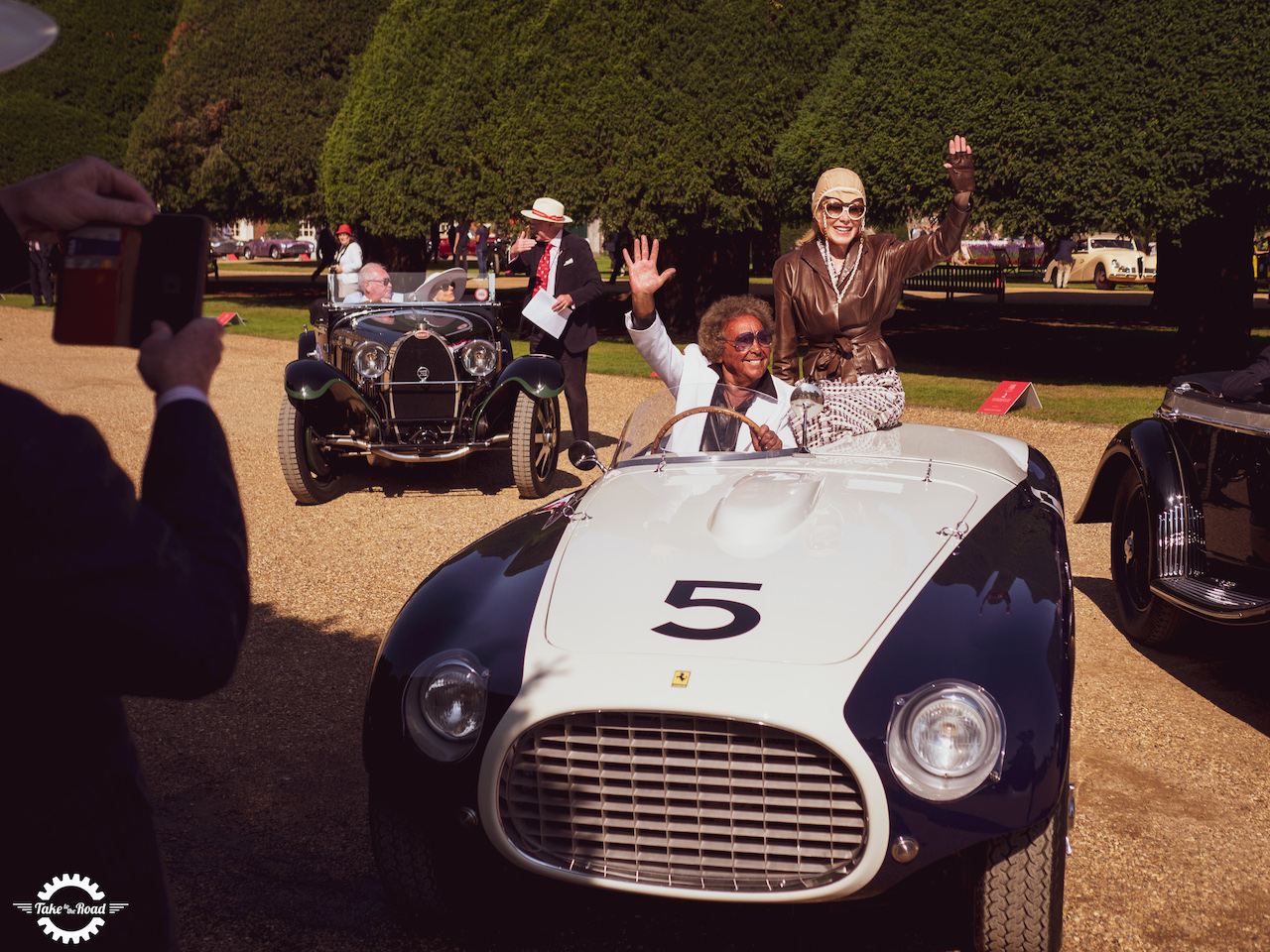
The Feel of Driving a Vintage Model
When you get behind the wheel of a classic car, it’s a full-on sensory experience. Unlike modern cars that shield you from the road, a vintage model gives you direct feedback. You feel the road’s texture through the steering wheel and hear the engine working through its revs. There are no electronic aids or complex computer systems; it’s just you, the car, and the road. This creates a deep sense of connection and control. Mastering a manual gearbox or finding the sweet spot of the carburettor brings a satisfaction that automated systems can’t touch. The joy of driving old cars often comes from this raw, unfiltered simplicity.
Restoration for Authentic Experience
To truly enjoy a classic, it needs to be in good shape. A proper restoration goes beyond just a shiny paint job; it’s about keeping the car’s soul intact while making sure it’s roadworthy. The goal is to bring back the original driving experience, from the sound of the engine to how the suspension feels. Whether it’s a full rebuild of a rare Italian sports car or a detailed classic Ford restoration, the focus should always be on being authentic and high quality. A well-restored classic doesn’t just look the part; it feels right, letting you drive it confidently and enjoy it just as its creators intended.
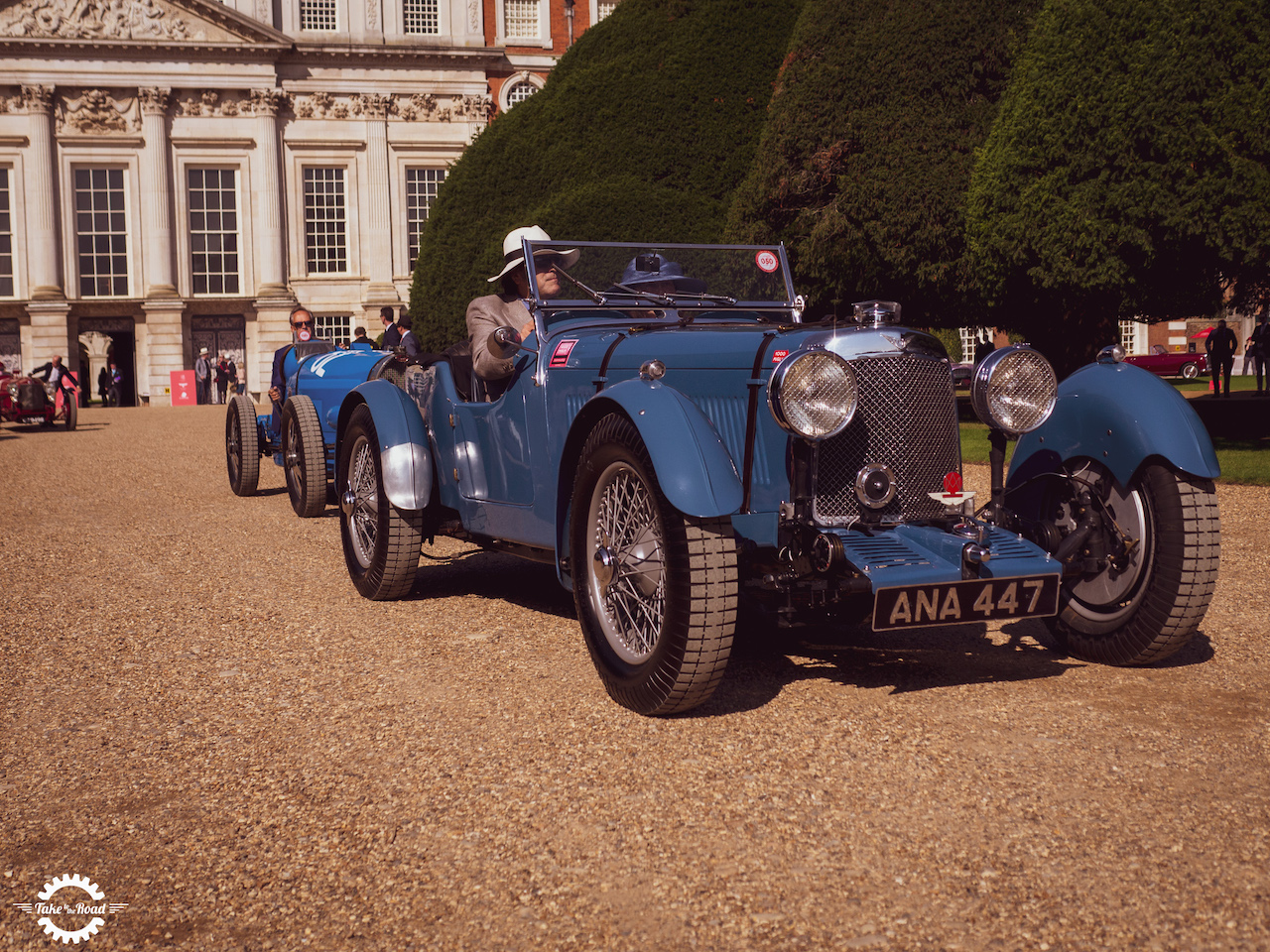
Joining a Classic Car Community
One of the best parts of owning a classic car is the social side. The classic car world is full of enthusiastic, friendly people who are always keen to share stories, advice, and a helping hand. Joining a local or national car club immediately connects you with a community of like-minded enthusiasts. These clubs often set up regular meet-ups, shows, and driving events. From a casual Sunday morning “cars and coffee” gathering to a big national exhibition, these events are great chances to see other beautiful machines, get ideas for your own project, and make lasting friendships.
Planning Classic Car Road Trips
What better way to enjoy your classic than taking it on a real road trip? These cars were made for exploring winding country lanes and scenic coastal routes. Planning is essential for a successful trip. It’s smart to pack a basic toolkit, crucial spares like belts and hoses, and good breakdown cover. While some owners daily drive a classic car, for a long trip, it’s important to plan your route with petrol stations and potential overnight stops in mind. Don’t try to cover too much ground in one day. The whole point is to savour the drive, stop for photos, and enjoy the freedom that only a classic car can offer.
Ultimately, the joy of a restored classic comes from the whole package. It’s the pride of owning it, the thrill of driving it, and the friendship of the community, all wrapped up in one beautiful, mechanical experience.

This is a Take to the Road Collaborated Post