
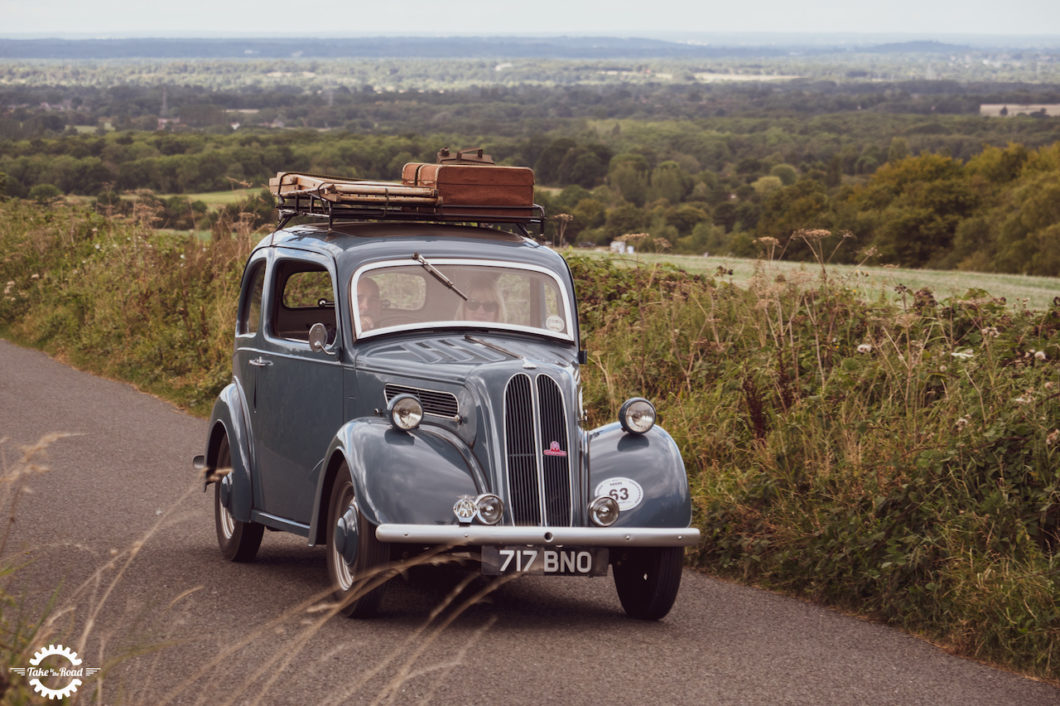
A well-chosen daily driver can handle commuting, shopping and school runs during the week, then support short touring breaks when Friday arrives. The trick is to preserve the qualities that make it easy to live with every day while adding only the equipment you genuinely need away from home.
That balance matters more than headline specifications. Storage, roof height, fuel use and the time needed to switch between roles will shape how often you actually take the vehicle away.
The Dual-Purpose Dilemma
Dedicated touring vehicles offer space and permanent facilities, but they can feel cumbersome on narrow streets or during routine errands. The comparison between weekend and daily cars highlights the different priorities involved, from comfort and practicality to running costs.
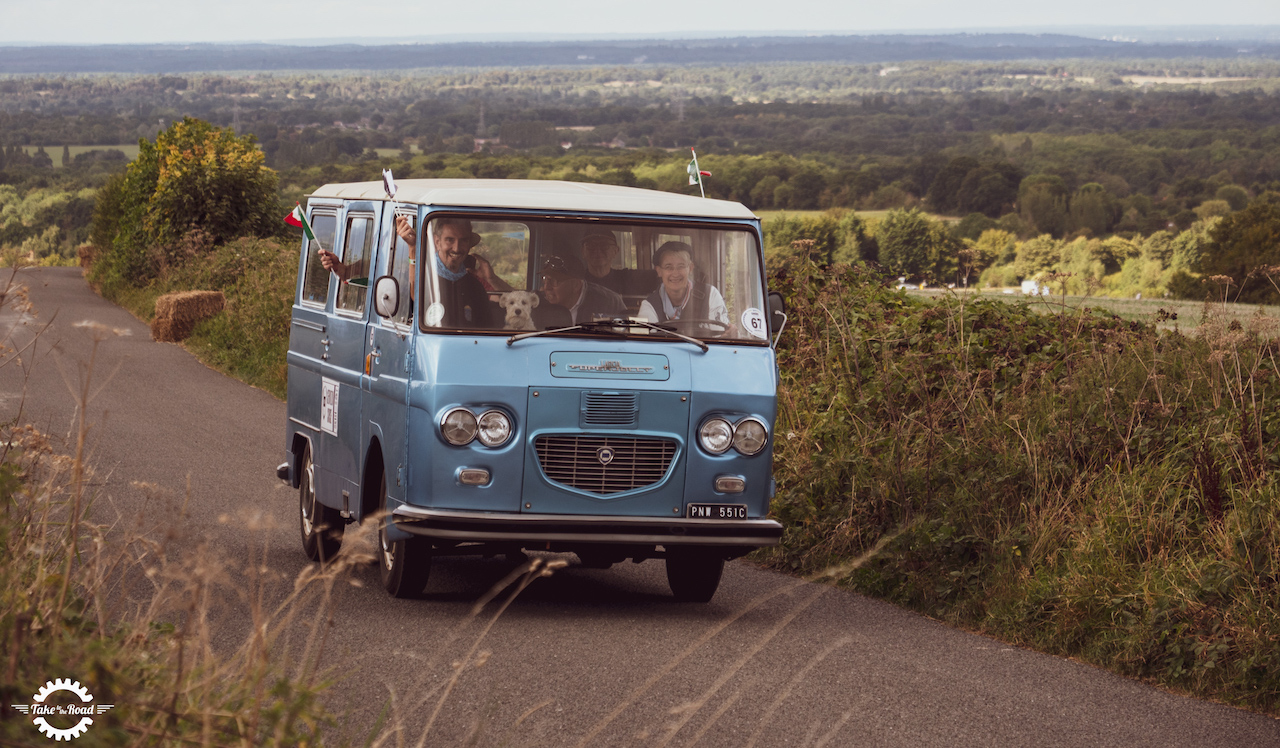
Start by listing what your weekday use demands. A vehicle that regularly enters city centres may need good visibility, easy parking and enough seats for passengers. For weekend travel, a flat sleeping area, secure storage and ventilation could matter more than a fitted kitchen. Removable equipment lets you meet both sets of needs without carrying an entire touring set-up through Monday morning traffic.
Preserving Car Park Clearance
Height barriers are one of the biggest practical concerns when converting a van for touring. Many multi-storey car parks have restrictions around 1.9 to 2.1 metres, although limits vary and must always be checked at the entrance. Roof racks, storage boxes and permanent fittings can quickly take a vehicle beyond its original height.
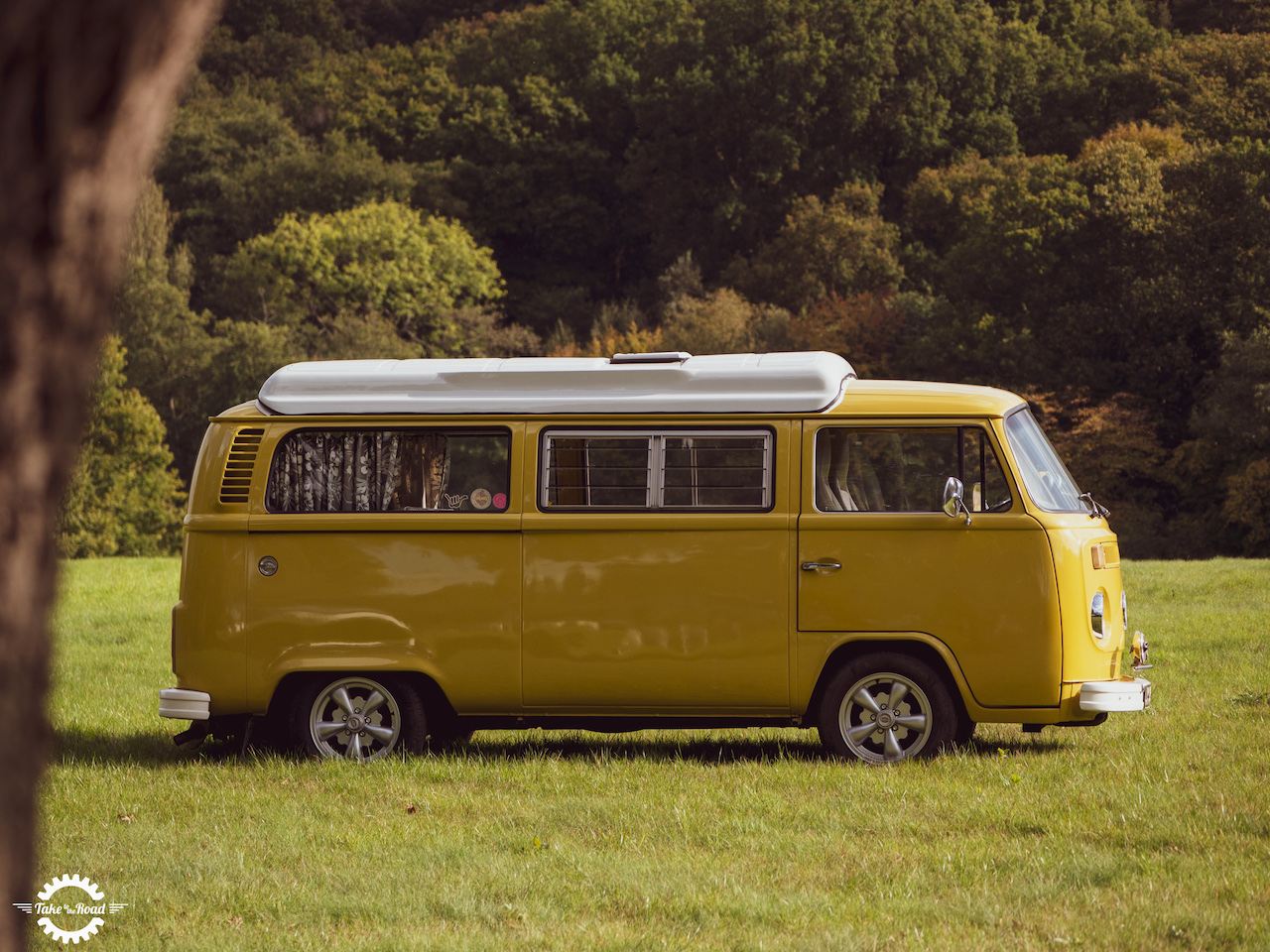
Slimline poptop roofs offer van owners and professional converters a way to create more usable space at a campsite while retaining a streamlined profile when the roof is closed. Before choosing any roof modification, measure the vehicle at its highest fixed point and include aerials or vents. Keep the final height written on a label near the dashboard so you can check every barrier before entering.
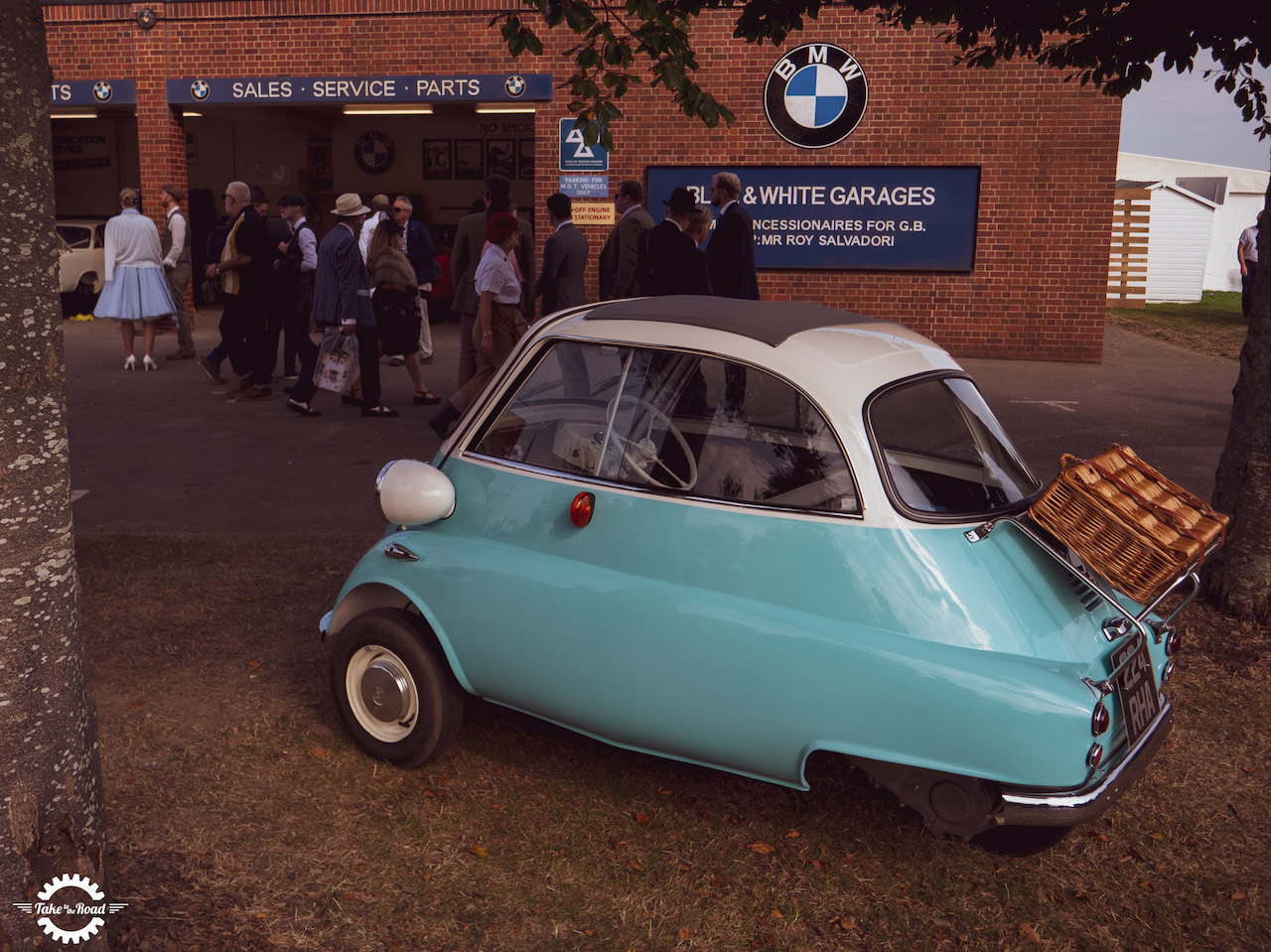
Balancing Fuel Economy and Weight
Every extra kilogram affects how a vehicle accelerates, brakes and uses fuel. Heavy timber units, water containers and bulky leisure equipment may seem manageable individually, yet their combined weight can be considerable. Payload limits also include passengers, luggage and accessories, so check the vehicle plate and manufacturer’s handbook before planning a conversion.
Choose lightweight, removable items where possible. A folding table can serve as a dining surface and an outdoor worktop, while stackable boxes make food and clothing easy to unload after a trip. Carry only the water you expect to use and refill during longer tours where suitable facilities exist. Keeping everyday equipment modest also reduces clutter, tyre wear and unnecessary fuel consumption throughout the working week.
Quick Weekend Transformations
A practical touring set-up should take minutes to install, not most of Friday evening. Store related items together in labelled boxes, with bedding in one, cooking equipment in another and cables or lighting in a third. Fix tie-down points inside the vehicle so each container stays secure under braking.
Daily commuters and occasional tourers also face different driving challenges, including varied mileage, weather exposure and cleaning needs. Check tyre pressures before loading, top up screenwash and remove anything loose from the passenger area. A washable mat will protect the interior from muddy footwear and can be lifted out on Sunday night.
If the bed platform, window covers and storage boxes all have a designated place at home, the vehicle can return to weekday duty before the first commute of the week.
This is a Take to the Road Collaborated Post
