
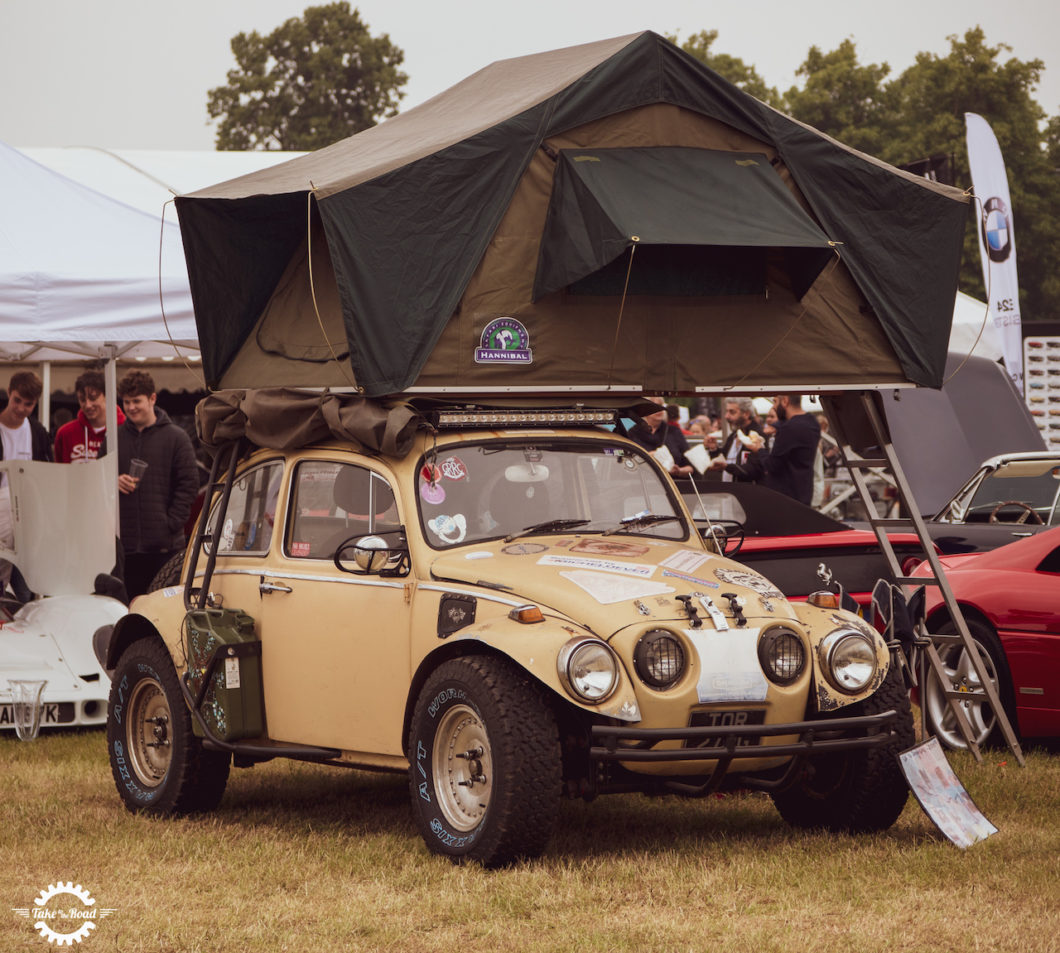
Self-sufficient touring gives you the freedom to stay beyond serviced pitches, but off-grid living places every basic resource under your control. Electricity, water, waste storage and fuel all become finite supplies that must last until the next suitable stop.
A weekend trial can reveal far more than a catalogue of equipment. It shows how your motorhome or caravan performs under real conditions and highlights the everyday habits that consume more power or water than expected.
The True Demands of Off-Grid Stays
Start by deciding what self-sufficiency means for your trip. Two quiet nights in mild weather require less preparation than a week in winter, when heating systems, lights and damp clothing place greater demands on the vehicle.
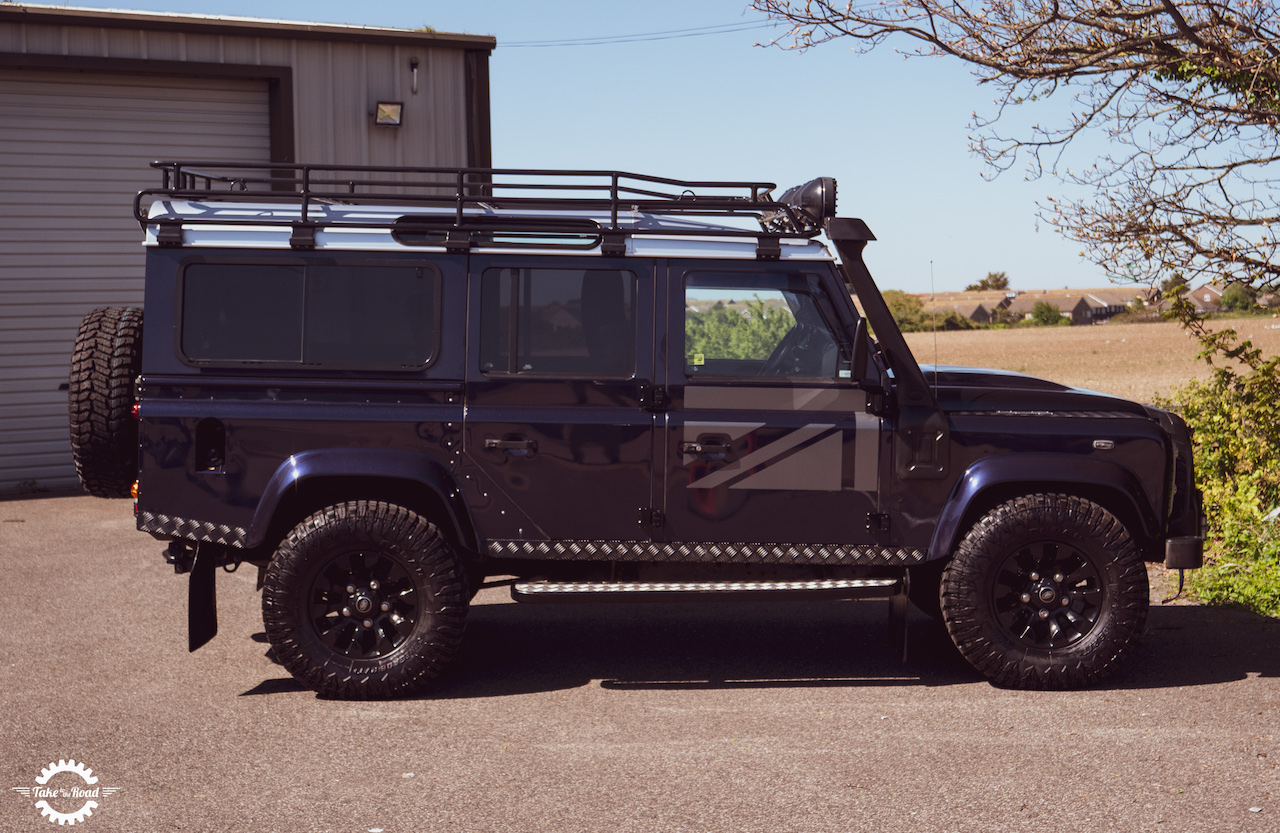
Water often sets the practical limit. Allow for drinking, cooking, washing and cleaning, then check how quickly the waste tank fills. You’ll also need a legal disposal point and enough fuel for heating or cooking where applicable. Mobile reception may be unreliable, so download maps and campsite information before leaving coverage.
For help comparing charging methods and storage options, this guide to off-grid power for caravans explains solar, mains and 12V charging in a touring context. Use that information alongside the specifications for your own vehicle, battery and electrical system.
Calculating Daily Electrical Load
List every electrical item you expect to use, its wattage and the number of hours it will run each day. Multiply watts by hours to estimate watt-hours. A 40-watt appliance used for three hours consumes about 120Wh, while six 5-watt lights running for four hours add another 120Wh.
Some appliances draw far more power during start-up or heating cycles than their average figure suggests. Kettles, hairdryers and space-heating appliances can overwhelm a modest inverter even when used briefly. Check both continuous output and surge capacity, and follow recognised caravan electrical safety guidance before connecting or modifying equipment.
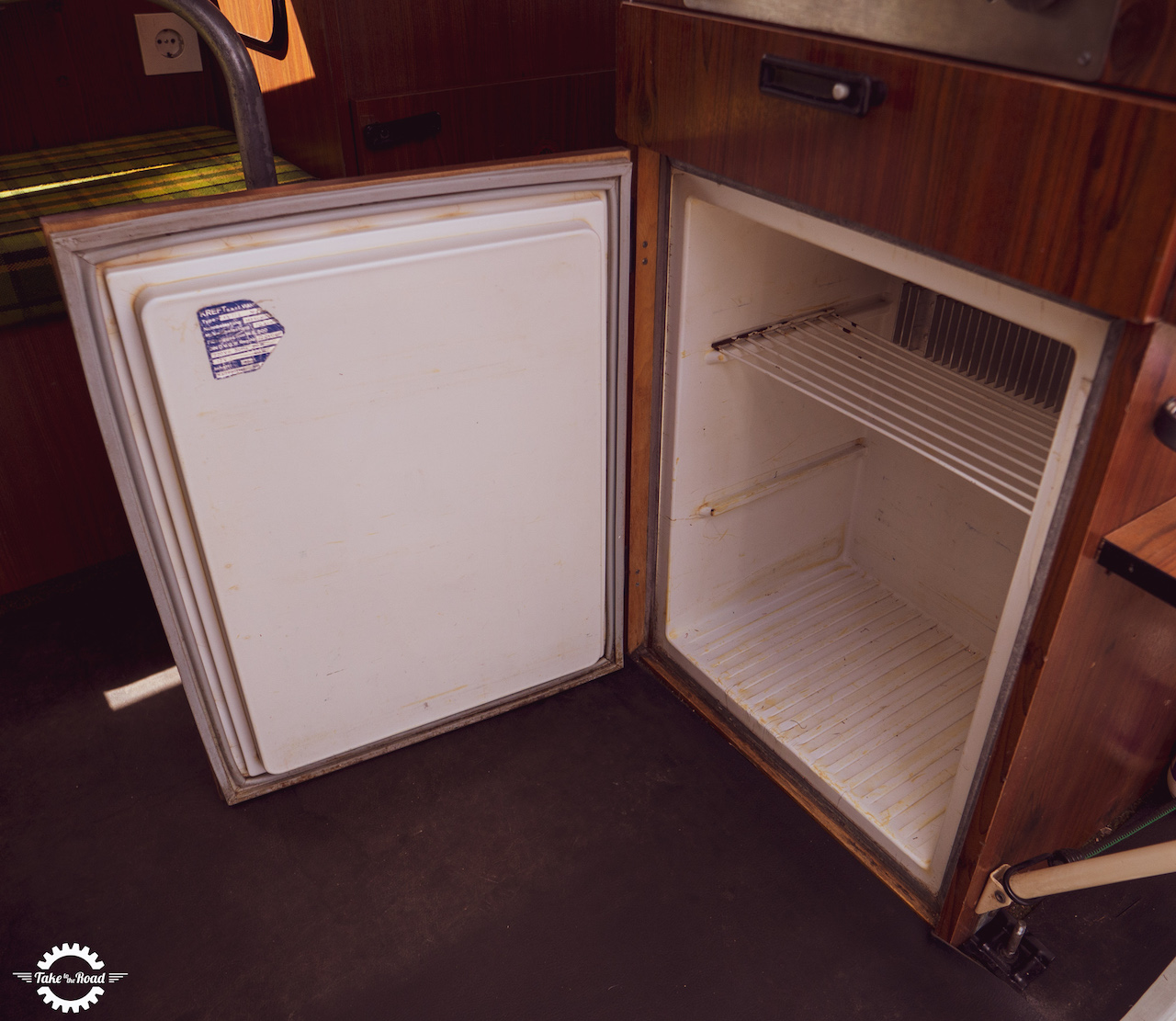
Add roughly 20 per cent to your calculated total for conversion losses and colder conditions. Then test the setup at home for a full day, noting the battery level at breakfast, late afternoon and bedtime.
Reliable Alternatives to Campsite Hook-Ups
A portable power station offers a straightforward way to run phones, laptops, lights and other suitable low-consumption equipment. Its labelled capacity provides a useful starting point, although usable energy will be lower after inverter losses. Check output limits carefully before plugging anything in.
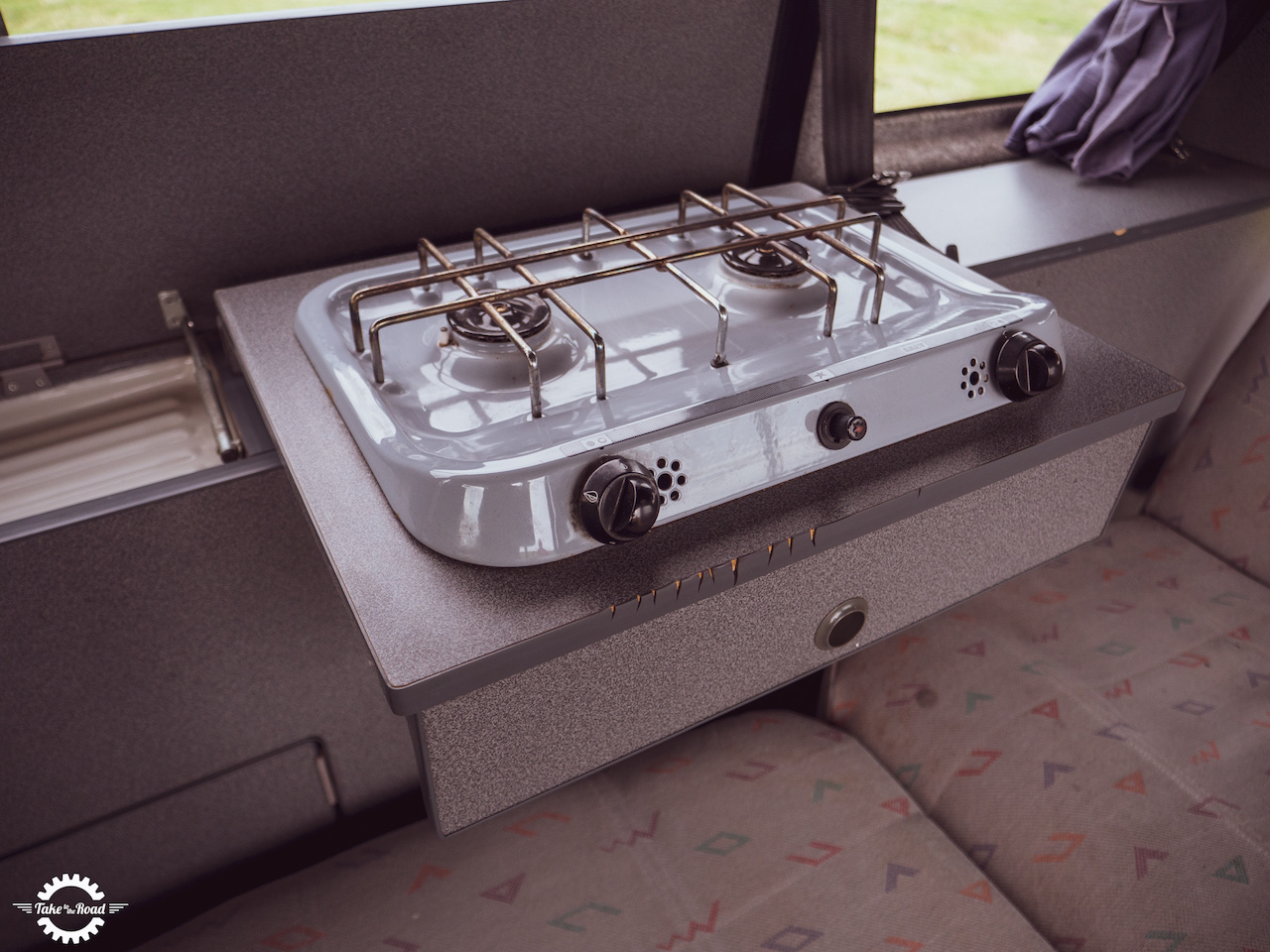
Solar panels can extend a stay when they receive clear daylight, but quoted peak output describes ideal test conditions. Shade, cloud, low winter sun and poor panel angle all reduce charging. Treat solar generation as variable and retain another charging option.
Charging whilst driving may help on touring days, provided the vehicle and equipment support it. For longer stops, reduce demand first: use rechargeable lights, switch off standby devices and charge several small items during the sunniest part of the day. A powered pitch remains the sensible fallback when poor weather persists.
Maintaining Driving Comfort on Long Trips
Extra water, batteries, food and touring equipment add weight quickly. Confirm your permitted limits, distribute heavy items low and secure everything before setting off. The advice on transporting a heavy load explains why added mass affects braking, steering and acceleration.
Tyre pressures should match the vehicle maker’s guidance for the actual load. Leave a larger gap to traffic ahead and approach bends at a measured speed, as a heavily packed vehicle may respond differently to sudden inputs. Stop every couple of hours to stretch, check straps and look for movement inside cupboards or storage areas.
Your first independent stay should be close enough to services that a miscalculation remains an inconvenience. Record actual electricity and water use before returning home. Those figures will tell you precisely how long the next stop can last.
This is a Take to the Road Collaborated Post
