
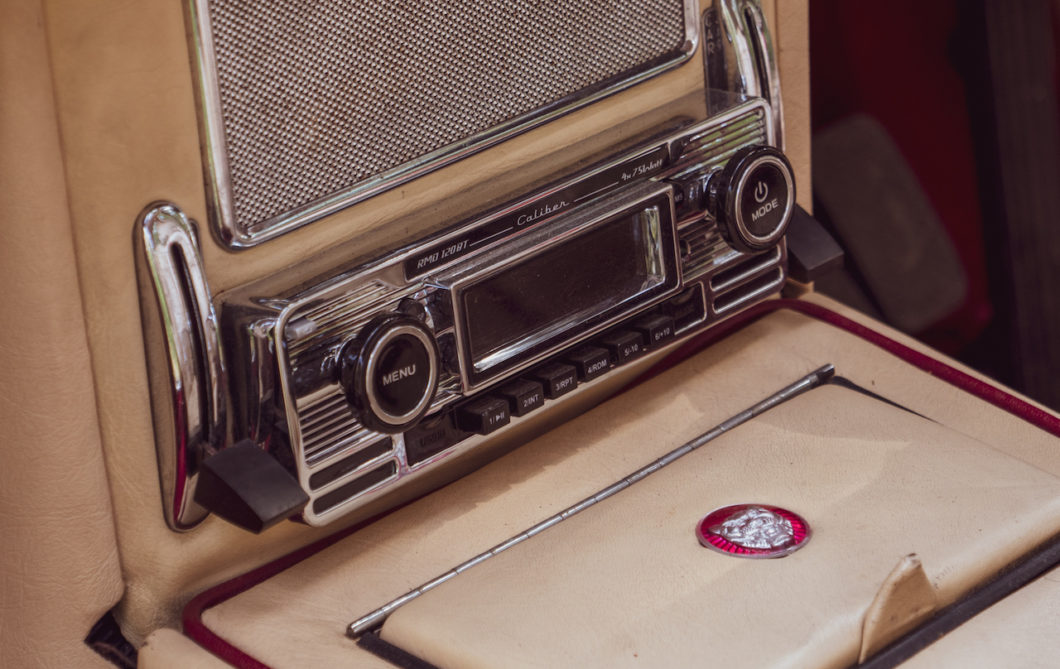
There’s a particular thrill in spotting a good used head unit online: an OEM unit from a newer car, perhaps, or an aftermarket deck with Bluetooth and a screen your classic never had. The price looks right and the size seems close enough, so it is tempting to buy first and sort out the details later. In reality, getting it into the dashboard is often the easy part. Making it work properly without compromising the car takes more thought.
Start with the physical fit
Check the dashboard aperture against the unit’s actual dimensions rather than relying on the DIN description alone. Even when the front dimensions appear suitable, mounting depth can catch people out once the wiring loom, heater controls or other components behind the dash are taken into account.
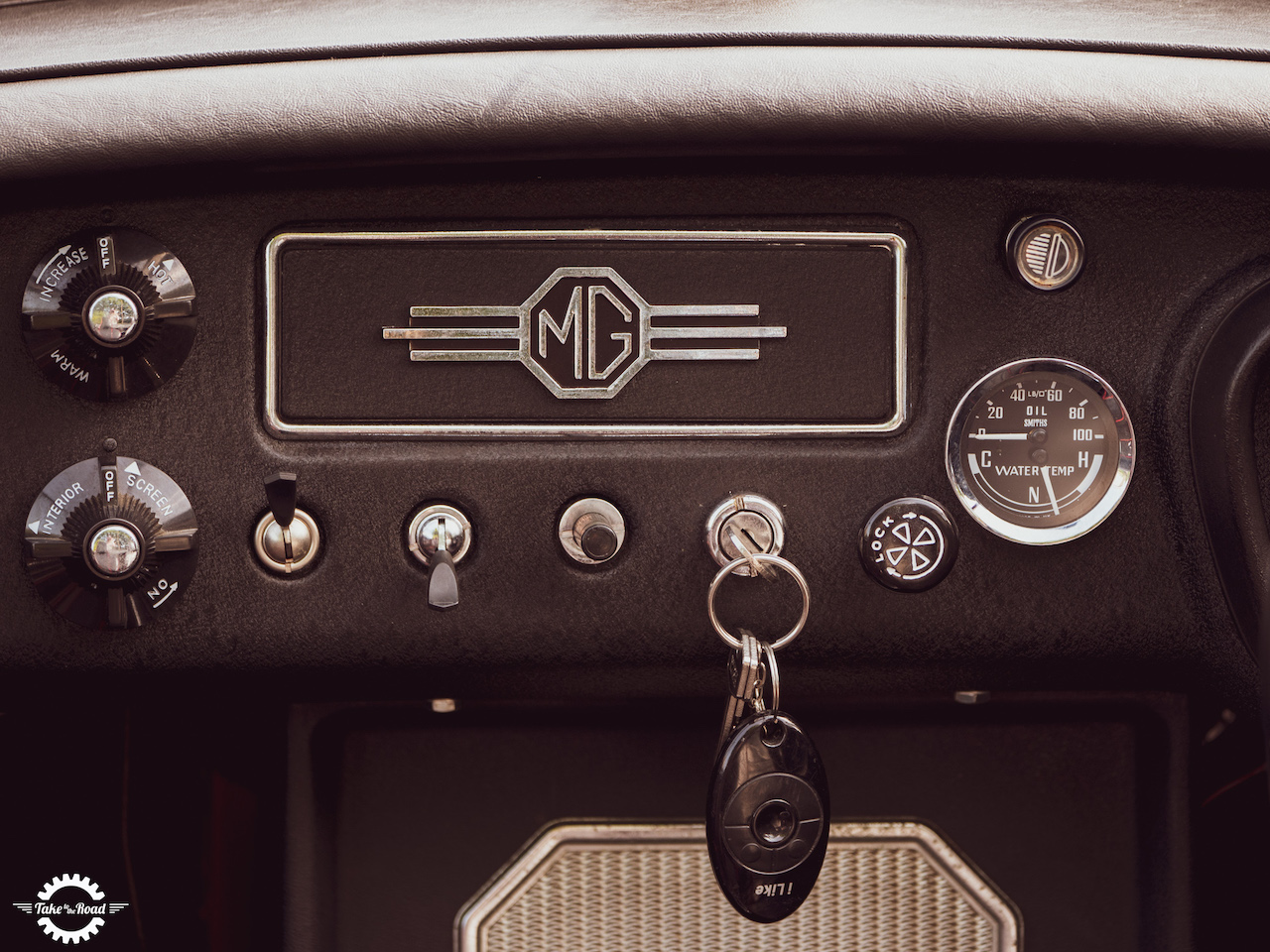
A used OEM unit may rely on brackets or mounting points specific to its donor car. Where possible, use an adaptor fascia or removable mount rather than cutting an original dashboard or trim panel. A reversible installation keeps the car tidy and leaves the option of returning it to standard specification.
Check the electrics before the wiring
Before connecting anything, confirm the car’s system voltage and polarity. Some earlier British classics retain positive-earth systems, while modern head units generally expect a 12-volt negative-earth supply. Cars may also have been converted over the years, so age alone is not a reliable guide. If the car is 6-volt, positive earth, or its electrical history is unclear, take specialist advice first.
Follow the head unit’s own wiring diagram rather than assuming the old radio wiring can simply be reused. Permanent and switched feeds, fuse protection and earth connections need to suit the particular unit. Brittle insulation or undocumented repairs are another reason to favour a properly made adaptor loom over cutting into the original harness. If the wiring condition is doubtful, use a qualified auto electrician.
A connector match is only part of the picture
An adaptor that physically joins two plugs does not guarantee that every function will work. ISO-style connections and manufacturer-specific adaptors can solve part of the problem, but aerial connections, powered aerials, speaker configuration and impedance, and any separate factory amplifier still need checking.
Some later OEM units also expect signals from steering-wheel controls, a CAN-bus network or other electronics in the donor vehicle. Those functions may not carry across to an older car. Check the exact part number and what the unit relies on before assuming everything will work once power is applied.
A used factory unit may still be security locked
Some OEM head units retain anti-theft protection from their original vehicle. Depending on the manufacturer and generation, disconnecting power or fitting the unit elsewhere may result in a request for a security PIN, while other systems rely on electronic pairing or communication with the vehicle itself.
Before buying a second-hand factory unit, identify its exact model and part number and establish what will be required to make it operational. If the unit uses a conventional security PIN and the necessary serial information is available, a radio code lookup on FindRadioCode.com may be one option for supported makes, though it won’t help with units requiring electronic pairing to a specific vehicle.
Test before touching the dashboard
Before any trim, bracket or wiring is permanently altered, test the installation properly. Confirm that the unit powers up and shuts down as intended, retains its settings, and that the speakers and aerial work. Check Bluetooth, illumination and any other functions you expect to use, and listen for new electrical interference. If battery drain is a concern, have the parked current draw checked rather than guessing.
Know when it stops being a simple job
Heavily modified wiring, a 6-volt or positive-earth system, undocumented aftermarket work, a separate factory amplifier or an OEM unit dependent on vehicle-network data are all good reasons to involve a specialist. The same applies if fitting it would mean cutting a valuable original dashboard. Preserving the car is worth more than forcing a difficult installation into a DIY job. If you are working through other maintenance too, our guide to DIY jobs you can tackle yourself is a useful reminder that even routine jobs such as disconnecting a battery can have knock-on effects, including a radio-code reset on some cars.
Check Twice, Fit Once
A used modern head unit can add useful everyday features to a classic without buying new, but the best installations work reliably without compromising the wiring, dashboard or character of the car. Check the unit, the electrics and the security requirements before buying, and the finished result is far more likely to feel like a considered upgrade.
This is a Take to the Road Collaborated Post
