
By Tony Brown, founder of Regtransfers
Lately, I’ve been thinking about how often the idea of a “status symbol” reinvents itself. Back in the 80s, owning a car phone or one of those brick-sized PDAs was enough to mark you out – but now, we each carry a far more complex piece of tech in our pockets every day. Burberry fashion, once a symbol of style and wealth, experienced a cultural “hijack” in the early 2000s that prompted a stark rebrand to regain momentum. Where once it was a symbol of wealth, today, it’s not that difficult to get hold of a large-screen TV.
For the most part, status symbols are becoming more quiet and refined – watches, tailoring, a set of earrings – the sort of things that catch the eye, but don’t announce themselves with a fanfare. Of course, there are still more obvious displays – a private number plate is a touch more noticeable than a nice watch…but with one recent sale passing for the best part of a million pounds, I felt it deserved a little recognition.
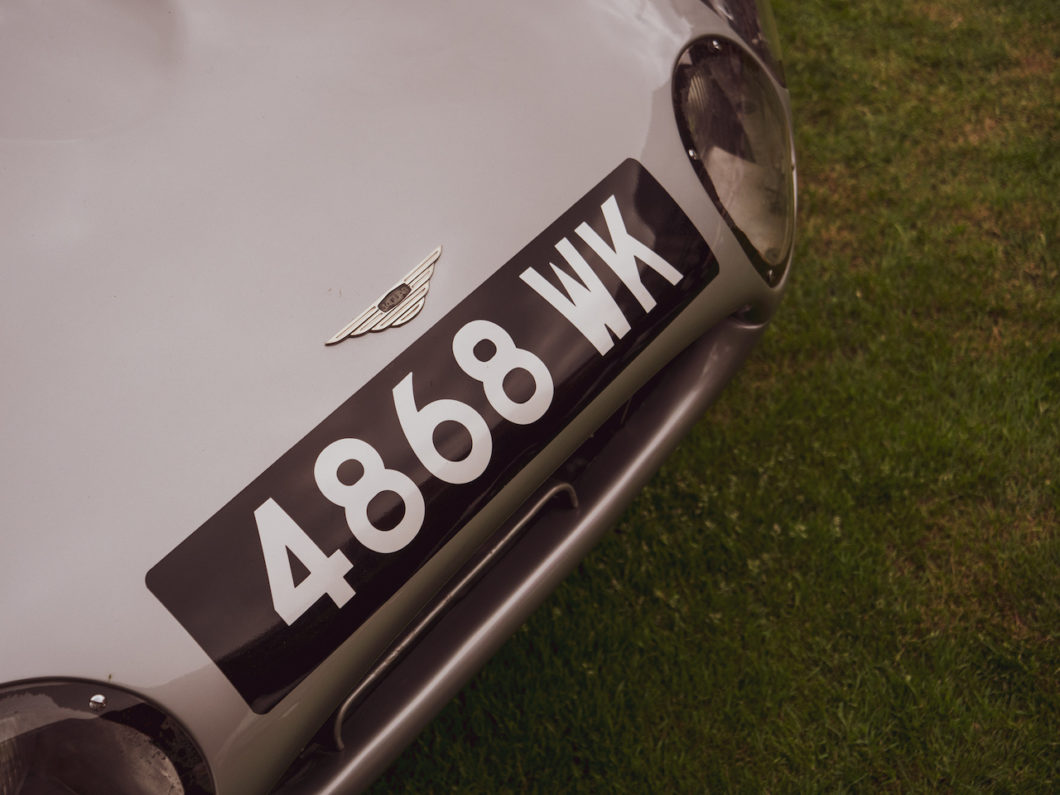
In November 2025 a number plate sold at a Sotheby’s auction in London for £926,000. The registration in question was 1 F, issued by Essex County Council back in 1957, and it came within touching distance of the £1m mark that this market has never quite hit in the UK.

This isn’t the first time 1 F has changed hands, of course; it last sold in 2005 for £144,500. In twenty years, that’s a return on investment most would kill for. The record it broke was fairly fresh as well – JB 1 sold for £608,600 at Bonhams’ Goodwood Festival of Speed only four months before, in July 2025.
The market didn’t slowly creep past its old ceiling – it burst through it, twice, in under half a year.
I’ve spent 40-odd years buying and selling plates, and nowadays, six-figure sales don’t surprise me. What got my attention was where it happened.
Sotheby’s isn’t primarily known as being a car dealership or a DVLA auction room. It’s the same Sotheby’s that sells fine art, jewels, rare watches and wines. Auction houses dealing in the luxury lifestyles of High Net Worth Individuals are starting to view personalised number plates in the same way they view a vintage Patek Philippe.
Why some plates are worth more than most houses
To the uninitiated, the pricing of personalised plates can seem a little random. It isn’t, really, and it’s driven by a few factors.
The main driver is scarcity – but a specific kind. Even a limited-edition watch has a manufacturer somewhere deciding the run size, and it’s rare that number is one. A dateless plate’s supply was fixed the moment it was issued – sometime over a century ago – and barring something drastic, it will never change.

As you may have guessed by now, a plate’s scarcity is fuelled by another important factor – length. The shorter the plate, the smaller the pool of possible combinations and, therefore, the higher the rarity. That’s why it’s almost always the shortest plates setting records.
History is another core selling point for personalised number plates. S 1, Scotland’s first-ever registration from 1903, stayed in one family for over a century before selling at auction for £404,063 in 2008. Buyers there weren’t just paying for two characters, they were paying for a documented piece of motoring history with a paper trail behind it.
What happens when you track one plate over time
Returning to the example of 1 F, let’s set aside the £926,000 headline for a moment, and instead focus on the returns. In twenty years, the plate’s value increased from £144,500 to £926,000. This isn’t a one-off – RR 1 sold for under £5,000 in the late 1960s and went for £472,000 in 2018. Different plates, decades apart, but following the same pattern: buying something that’s genuinely scarce, holding onto it, and letting the market do the rest.
There’s more. £926,000 sounds enormous until you put it next to Dubai’s P7, which sold for roughly £12 million in 2023 and still holds the world record. By international standards, the UK market hasn’t caught up to what collectors elsewhere are already paying.
We see the same thing at Regtransfers with the plates that pass through our hands. Dateless plates that traded for a few tens of thousands in the 1990s are now changing hands for several times that at auction.
Doesn’t this go against “quiet luxury”?
Given where the rest of luxury items have gone the last couple of years, today’s symbols of success are much quieter than past iterations. Today’s luxury revolves around no-logo items, labels hidden, wealth signalled through the cut of a jacket rather than a badge on it. A personalised plate is the opposite of this – everyone in front can see it through their rear-view mirrors, and everyone behind you can read it at the lights.
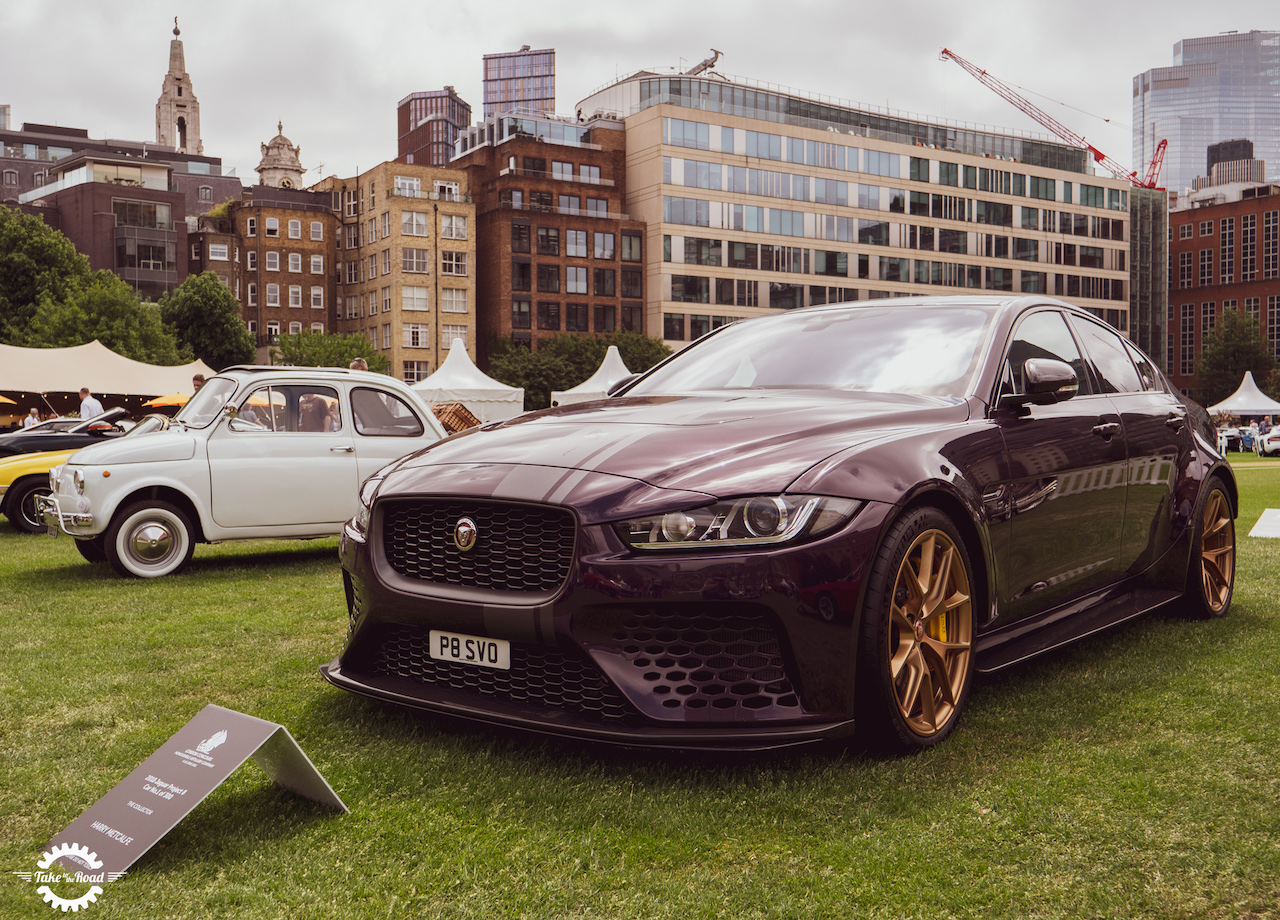
Even so, I don’t think a plate works like a logo. A logo tells a stranger what brand you paid for. A plate is chosen, not bought off a shelf, and it’s legally tied to you through the DVLA. Nobody else can have it. That’s closer to what quiet luxury is actually about underneath the aesthetic: not buying the obvious thing everyone already recognises, choosing something considered instead. It isn’t hidden the way a plain cashmere jumper is hidden, but it’s personal in the same way a bespoke suit is personal rather than one off a rack.
This isn’t a fringe market any more
The headline sales get the attention, but the real story is underneath them. UK personalised plates brought in £289 million last year, and auction values have very nearly doubled over the past decade. During the pandemic, DVLA figures showed online plate sales jump by more than 50% in a single year, at a time when there wasn’t much else to spend money on. That wasn’t people suddenly caring more about their cars – they simply had more money to invest.
As much as this article is looking at plates as a “luxury” item, you don’t need Sotheby’s money to be part of any of this. Most personalised plates in the UK sell for a few hundred pounds, not a few hundred thousand. The £926,000 sale could probably be considered the “ceiling”, but it doesn’t tell you what it costs to get in.
Where this goes next
The things we view as symbols of success may change over time, but they will always keep chasing whatever’s hardest to fake. A car phone stopped meaning anything once everyone had a mobile. Burberry lost its appeal once it became more widespread. Apple products are no longer the “pinnacle” of technological luxury. The pattern keeps repeating: something becomes a status symbol because it’s rare, it gets copied or devalued, and people go looking for the next thing.
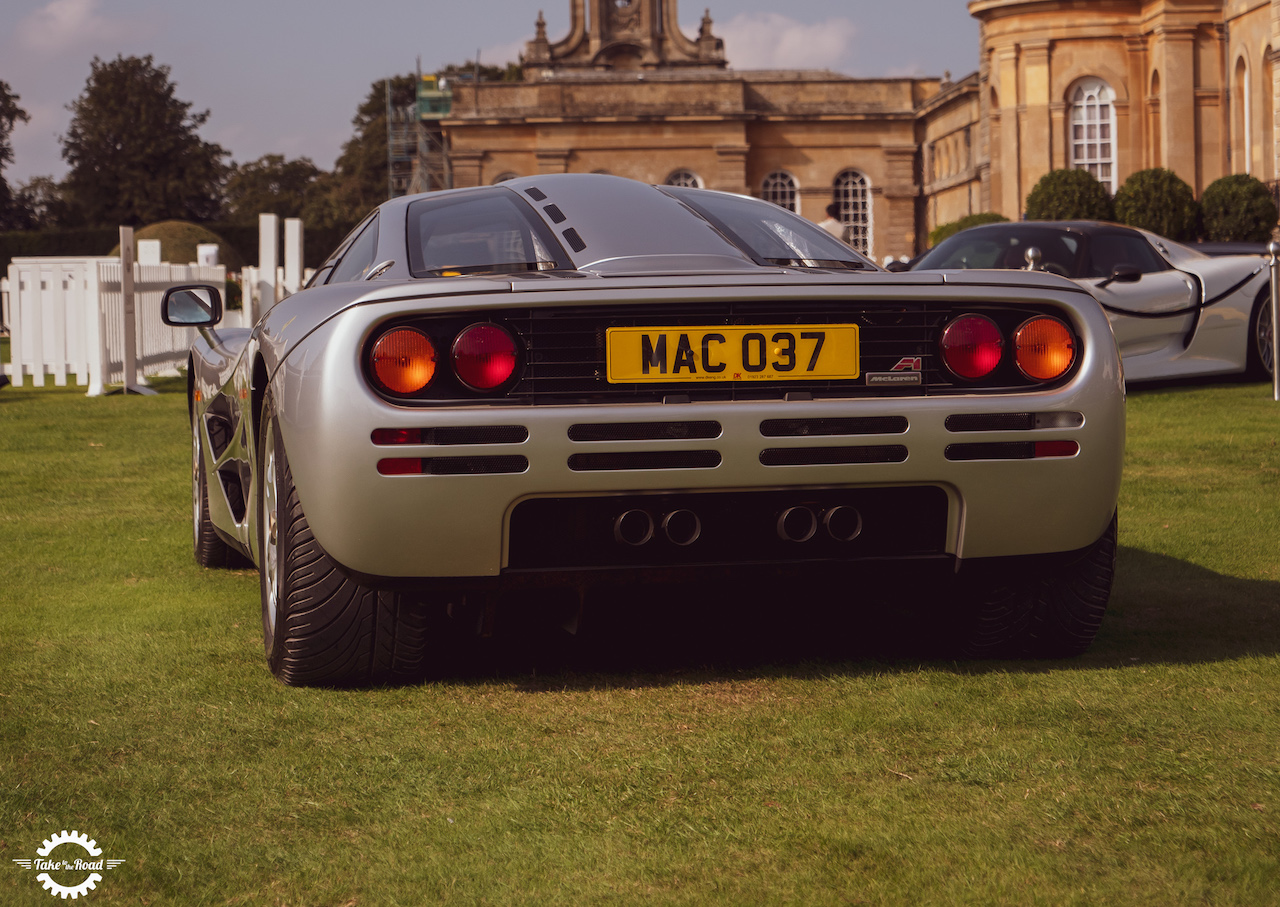
When it comes to the future of success symbols, my guess is that whatever comes next will lean even harder into things that are provably real and provably yours, because so much of modern life is easy to fake or duplicate. A government-registered plate happens to already tick that box, which is probably why it’s become one without much fuss or marketing behind it.
Whatever comes next, it wouldn’t surprise me if the “winning” items are the status symbols that are hardest to copy, rather than the ones that are easiest to show off.
Tony Brown is the founder of Regtransfers, the UK’s largest independent number plate dealer, with over 40 years of experience in the private registration market.
This is a Take to the Road Collaborated Post
